


Your home should feel like a sophisticated sanctuary that reflects your refined taste: not a disjointed collection of beautiful pieces that somehow don't work together. If you've invested in luxury furniture and high-end home decor but your space still feels off, you're likely making one of these five critical material mixing mistakes.
Don't worry: even the most discerning homeowners fall into these traps. The good news? Once you understand these pitfalls, you'll have the confidence to create the cohesive, elevated space you've always envisioned.
Mistake #1: Playing It Too Safe with Similar Textures
The biggest mistake we see in luxury homes is when everything feels too matchy-matchy. You've carefully selected a velvet sofa, silk curtains, and cashmere throw pillows: all beautiful on their own: but together they create a flat, monotonous landscape that lacks the visual drama your space deserves.
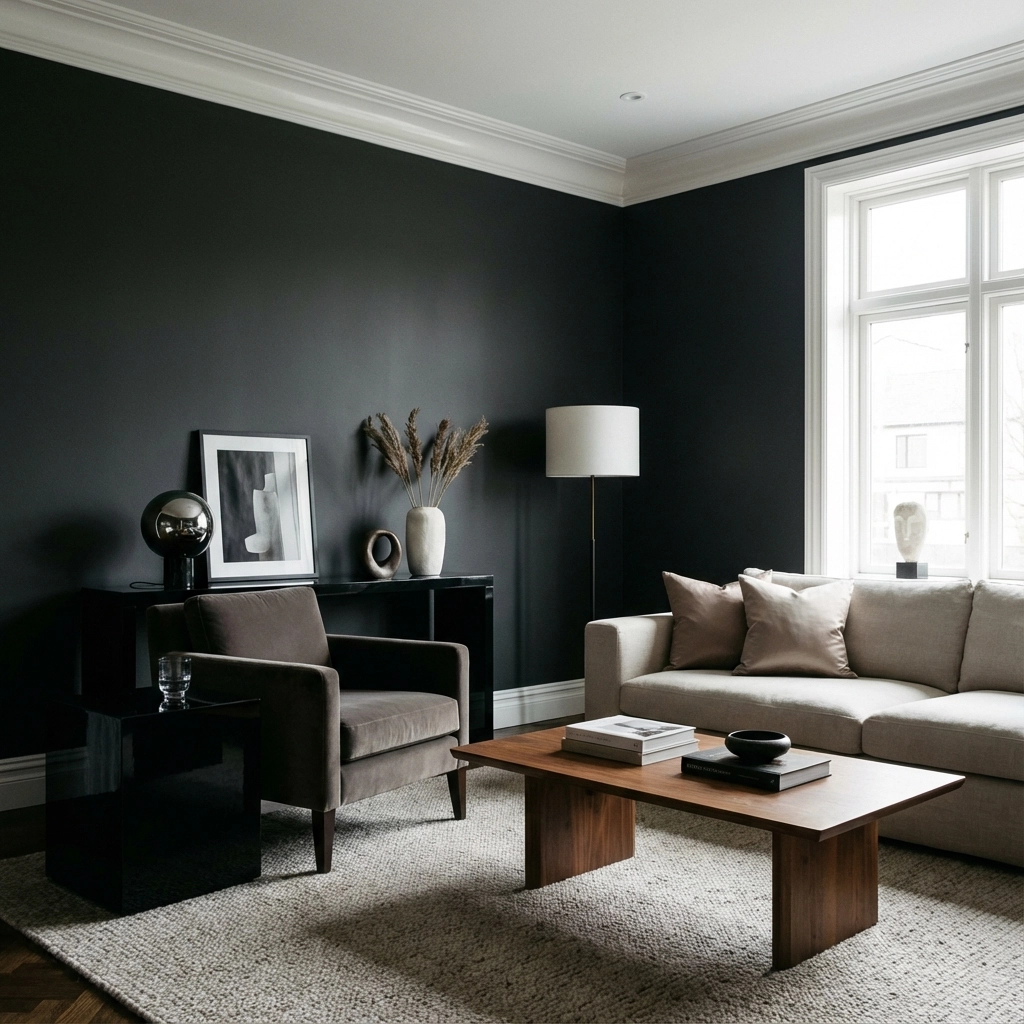
The opposites attract principle is your secret weapon. Your room comes alive when you pair contrasting materials that create beautiful visual dialogue. Think about pairing that buttery leather sectional with a chunky wool throw, or positioning your sleek marble coffee table next to a rustic reclaimed wood console.
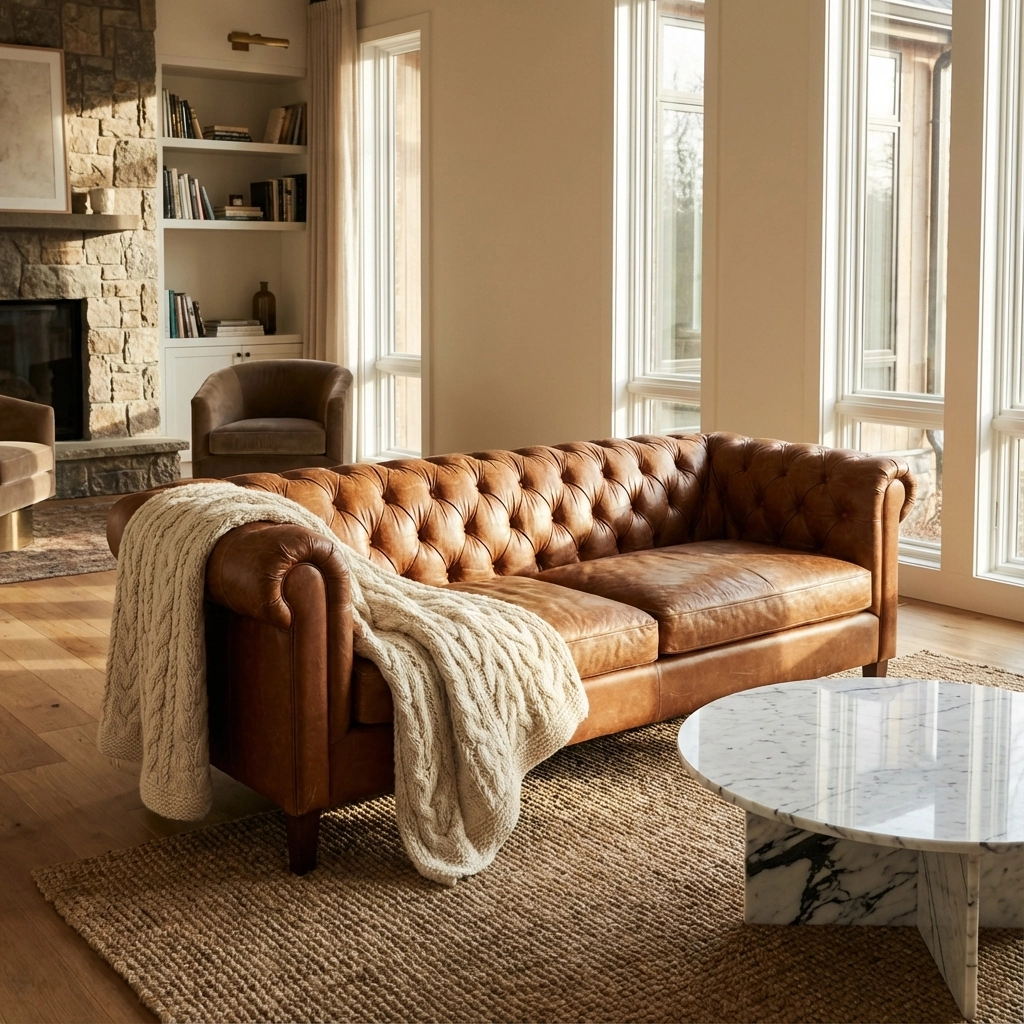
This approach works because contrast creates depth and interest. When every surface in your room has the same visual weight and texture, your eye has nowhere to rest and nothing to discover. High-end home decor thrives on this kind of intentional tension: it's what separates a truly luxurious space from one that simply looks expensive.
Start by identifying the dominant texture in your room, then deliberately choose its opposite for accent pieces. If your space leans heavily into smooth, polished surfaces, introduce something organic and textured. If everything feels rough and rustic, add some sleek, refined elements to balance the composition.
Mistake #2: Ignoring Scale When Mixing Patterns and Materials
Scale is the unsung hero of mixing materials successfully, yet it's where most people stumble. You might love both your large geometric rug and your bold floral wallpaper, but when they compete for attention at the same scale, neither gets to shine.
The key is creating a hierarchy of visual impact. Start with one large-scale statement piece: perhaps a dramatic marble fireplace surround or an oversized abstract painting: then layer in medium and smaller-scale elements that support rather than compete with your focal point.
This principle applies to both patterns and material textures. If you have a large-scale wood grain pattern on your custom furniture dining table, balance it with fine-textured materials like linen napkins or delicate crystal glassware. The varying scales create rhythm and flow rather than visual chaos.
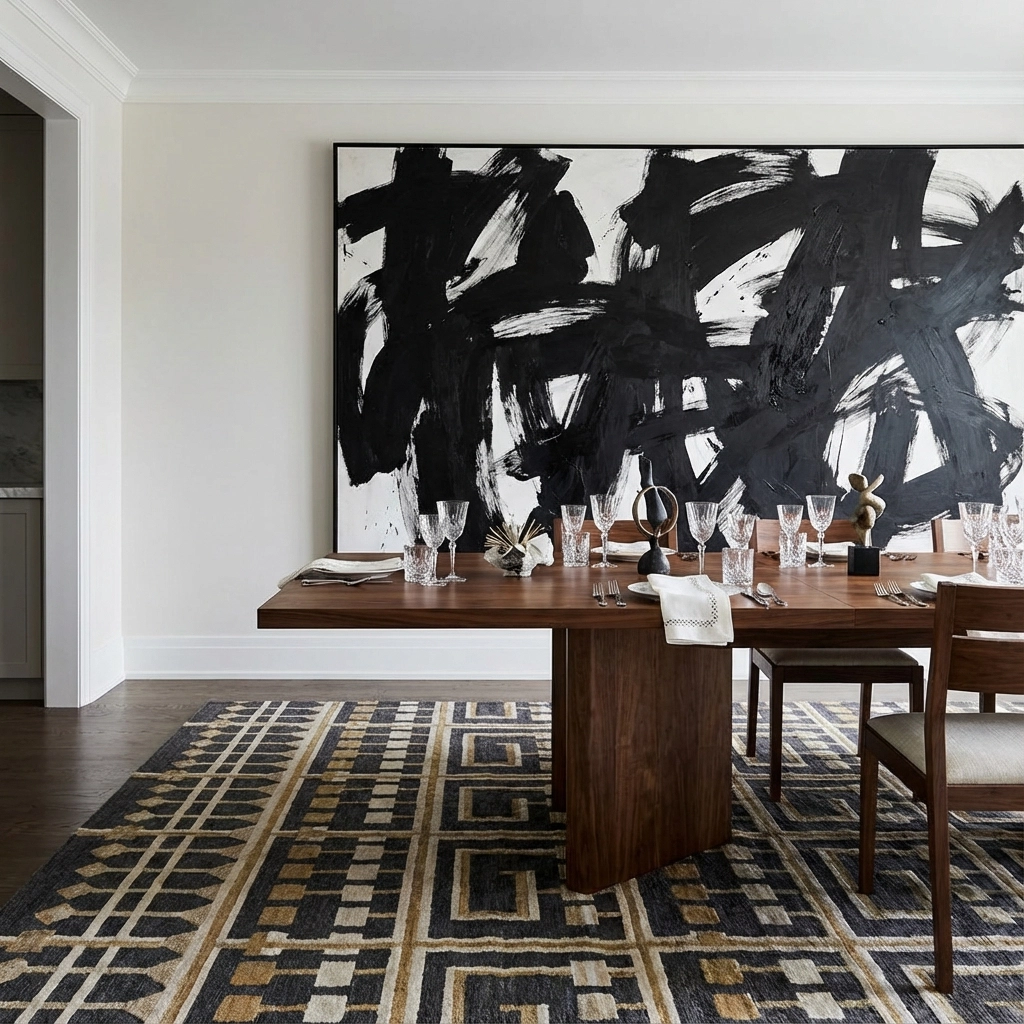
Think of it like conducting an orchestra: every element has its role, but they need to play at different volumes and intensities to create harmony. Your largest pieces set the tempo, while smaller accents provide the delicate details that make the composition complete.
Mistake #3: Going Overboard with One Signature Material
We understand the temptation: you fall in love with Carrara marble or rich walnut wood, and suddenly you want it everywhere. But even the most exquisite materials can overwhelm a space when they're not balanced with other elements.
Using one material exclusively robs your space of the complexity that defines truly sophisticated design. A room with marble countertops, marble floors, marble backsplashes, and marble accent tables doesn't read as luxurious: it reads as monotonous and potentially even cold.
Instead, let your favorite material be the star while supporting players enhance its beauty. If you're passionate about natural stone, use it as your main countertop material, then introduce warm wood cabinetry and soft textile window treatments to create a more inviting, layered environment.
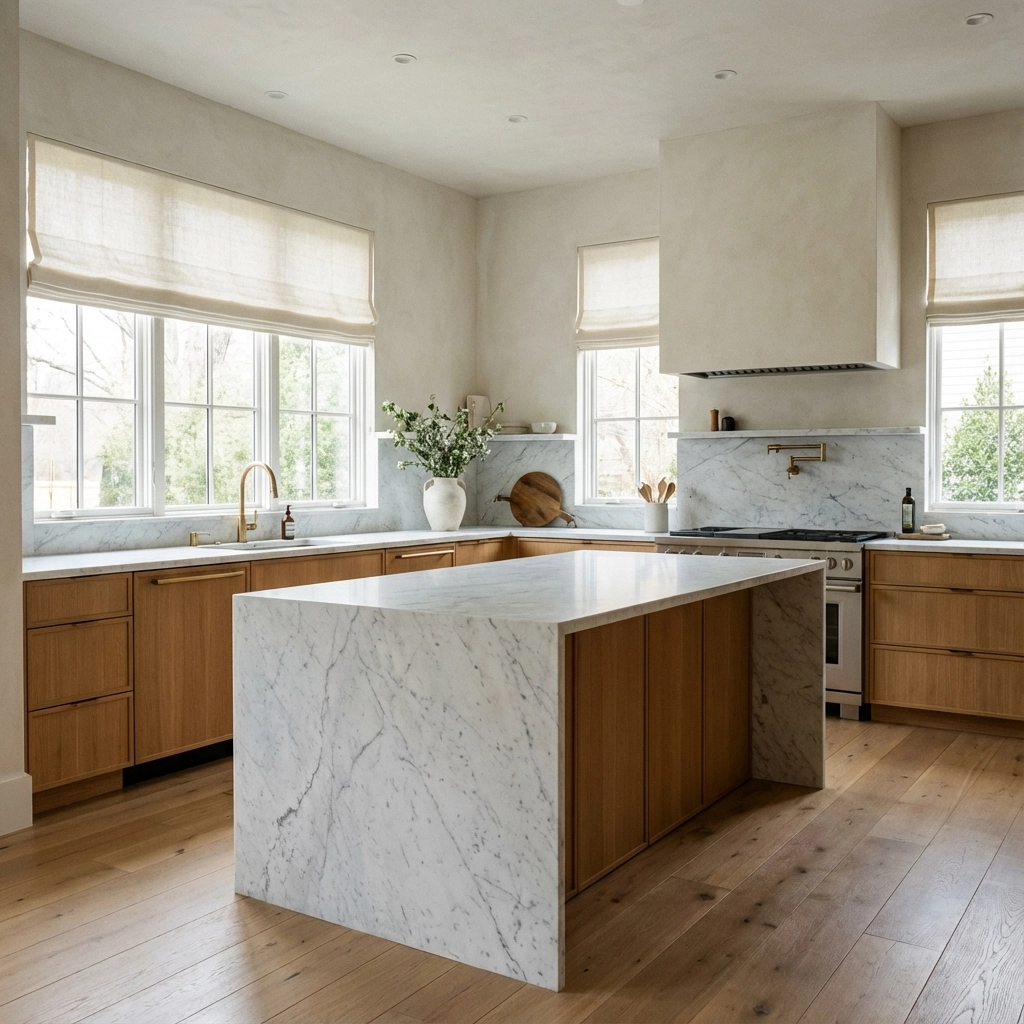
The same principle applies to metals. That stunning brass hardware looks incredible, but when every fixture, lamp, and decorative object is brass, the effect becomes overwhelming rather than elegant. Mix in some matte black accents or brushed nickel elements to let your brass selections truly pop.
Mistake #4: Forgetting About Color Temperature in Material Selection
Here's where many luxury home projects go wrong: focusing solely on color while ignoring undertones and color temperature. You can have the perfect neutral palette, but if your materials are fighting each other at the undertone level, something will always feel off.
Every material has a color temperature: warm, cool, or neutral: and these need to work together harmoniously. That beautiful gray limestone might have cool blue undertones that clash with the warm yellow undertones in your oak flooring, even though both are considered neutral colors.
Before selecting any luxury furniture or finishes, study them in your actual space at different times of day. Natural and artificial lighting dramatically affects how materials appear and interact with each other. What looks perfectly coordinated in the showroom might reveal unexpected undertone clashes in your home's specific lighting conditions.
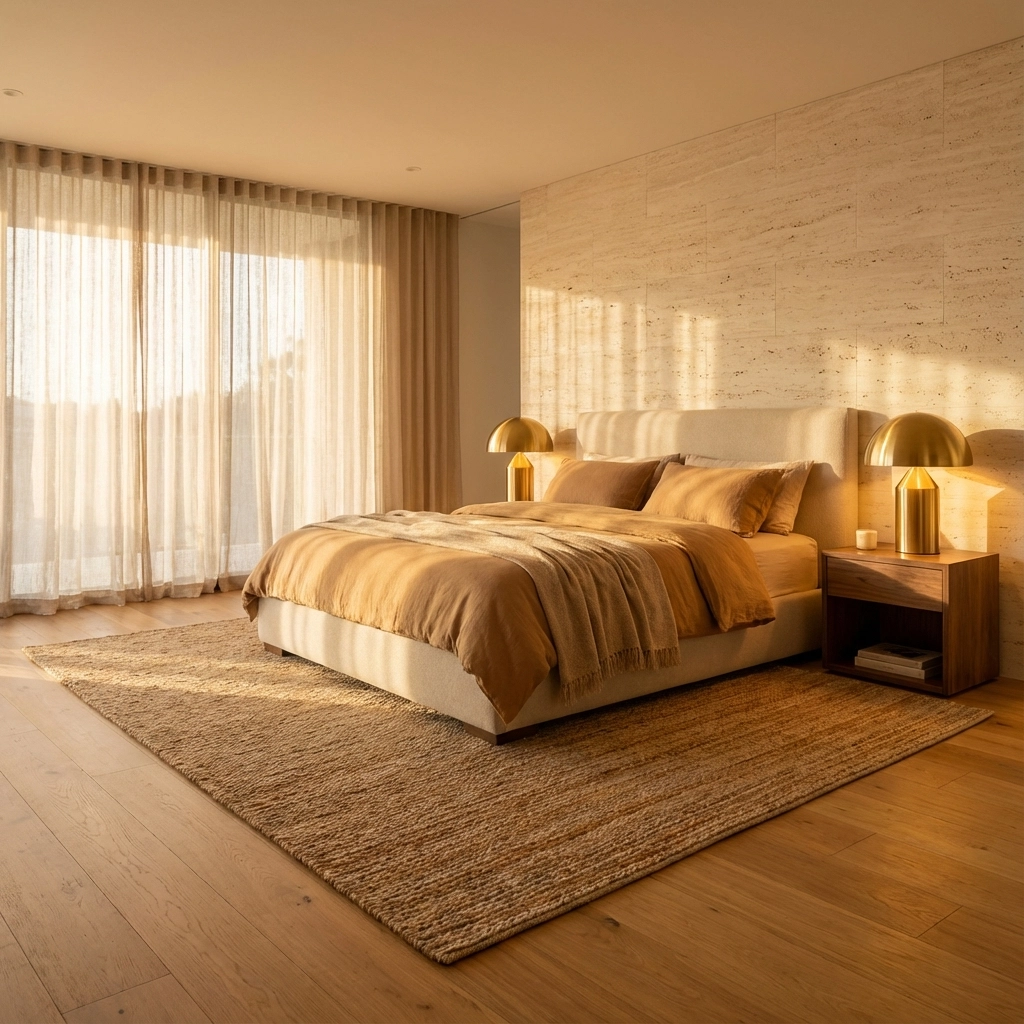
Create a cohesive color temperature story throughout your space. If you're working with warm undertones, embrace them fully: choose materials with honey, gold, and amber undertones rather than trying to mix warm and cool elements randomly. The consistency will create a sophisticated, pulled-together feeling that elevates your entire design.
Mistake #5: Neglecting Finish Coordination
The finish is just as important as the material itself, yet it's often an afterthought in luxury home design. You might choose beautiful natural materials, but if the finishes don't coordinate properly, your space will lack the polished sophistication you're after.
Consider the sheen level of every surface in your room. Too many high-gloss finishes create a busy, overstimulating environment, while too many matte finishes can make a space feel flat and lifeless. The magic happens when you deliberately vary finish levels to create visual interest and depth.
Start with your largest surfaces: floors, walls, and major furniture pieces: and establish your primary finish level there. Then use contrasting finishes strategically to highlight specific areas or pieces. A room with primarily matte finishes might benefit from a few high-gloss accent pieces that catch and reflect light beautifully.
Pay special attention to wood finishes if you're incorporating multiple wood elements. Different wood species can work together beautifully, but only if their finishes are coordinated properly. A high-gloss cherry dining table might clash with oil-finished walnut flooring, even though both woods are gorgeous individually.
Creating Your Perfect Material Mix
Mixing materials successfully is about creating intentional relationships between different elements in your space. Each material should serve a purpose: whether it's providing contrast, adding warmth, introducing texture, or creating focal points.
Start by identifying your room's primary function and the mood you want to create. A formal dining room calls for a different material palette than a cozy family room, even within the same luxury aesthetic. Let this vision guide your selections rather than choosing materials in isolation.
Remember that high-end home decor is ultimately about creating spaces that feel both sophisticated and livable. The most successful luxury interiors don't just look expensive: they feel warm, inviting, and authentically you. When you master the art of mixing materials thoughtfully, you create spaces that are truly timeless.
Your home is your personal sanctuary, and it deserves the same level of thoughtful curation that you'd find in the world's most beautiful hotels and residences. By avoiding these common material mixing mistakes, you're well on your way to creating the sophisticated, cohesive space you've always envisioned.
The key is patience and intentionality. Take time to understand how different materials interact in your specific space, and don't be afraid to make adjustments as you discover what works best. The most beautiful homes evolve over time, and yours should too.
