


You've probably noticed it everywhere: from high-end hotels to luxury homes featured in design magazines. There's a new aesthetic taking over the interior design world, and it's called organic modernism. This isn't just another fleeting trend that'll be forgotten next season. It's a design philosophy that's reshaping how we think about creating spaces that are both sophisticated and genuinely livable.
So what exactly is organic modernism, and why should you care? Simply put, it's the perfect marriage between sleek modern design and natural warmth. Think clean lines softened by rich wood grains, minimalist furniture accented with organic textures, and spaces that feel both polished and welcoming. It's everything you love about contemporary design, minus the cold, sterile feeling that sometimes comes with it.
The Philosophy Behind the Beauty
Organic modernism isn't new: it actually traces back to Frank Lloyd Wright's concept of organic architecture, which promoted harmony between human habitation and the natural world. What's happening now is a modern interpretation of that timeless philosophy, adapted for how we live today.
This design approach reconciles the tension between minimalism and comfort in a way that feels completely natural. Traditional minimalism can sometimes feel stark and unwelcoming: beautiful to look at, but not necessarily where you'd want to curl up with a good book. On the flip side, maximalist approaches can feel cluttered and overwhelming. Organic modernism solves this dilemma by maintaining the clean lines and simplicity of modern design while layering in natural materials that add character and soul.
Why We're All Drawn to This Style
There's something deeply satisfying about organic modernism that goes beyond surface-level aesthetics. It prioritizes human connection and well-being in ways that other design styles sometimes miss. When you walk into a space designed with organic modern principles, it feels intentional, welcoming, and genuinely human.
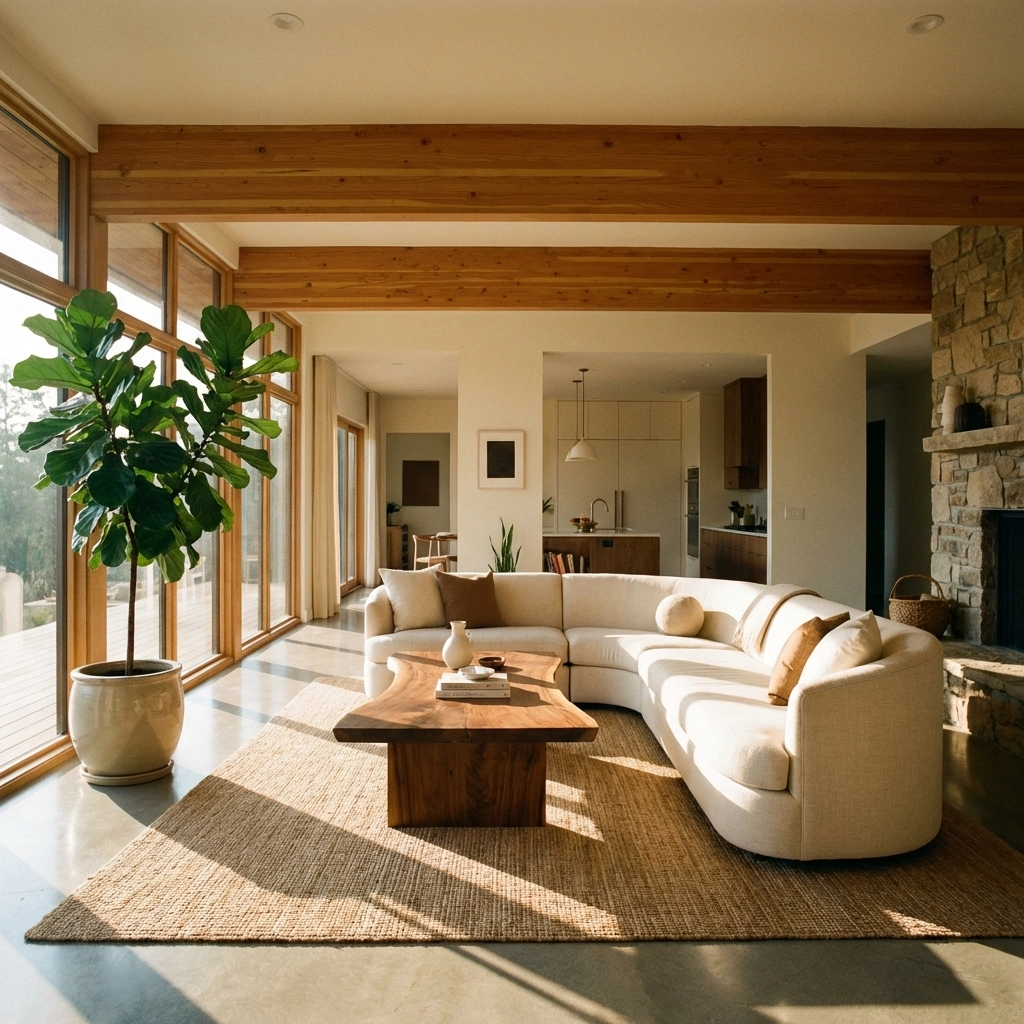
The style emphasizes creating environments that promote calm and foster a deeper connection to nature. Large windows frame outdoor views like living artwork, natural materials ground you in the present moment, and the overall composition creates a sense of peace that's hard to find in our increasingly digital world.
It's also refreshingly honest. Instead of trying to hide the natural characteristics of materials, organic modernism celebrates them. Wood grain becomes a feature, not something to paint over. Stone's natural variations are highlighted, not smoothed away. This authenticity resonates with people who are tired of environments that feel artificial or overly processed.
The Key Elements That Make It Work
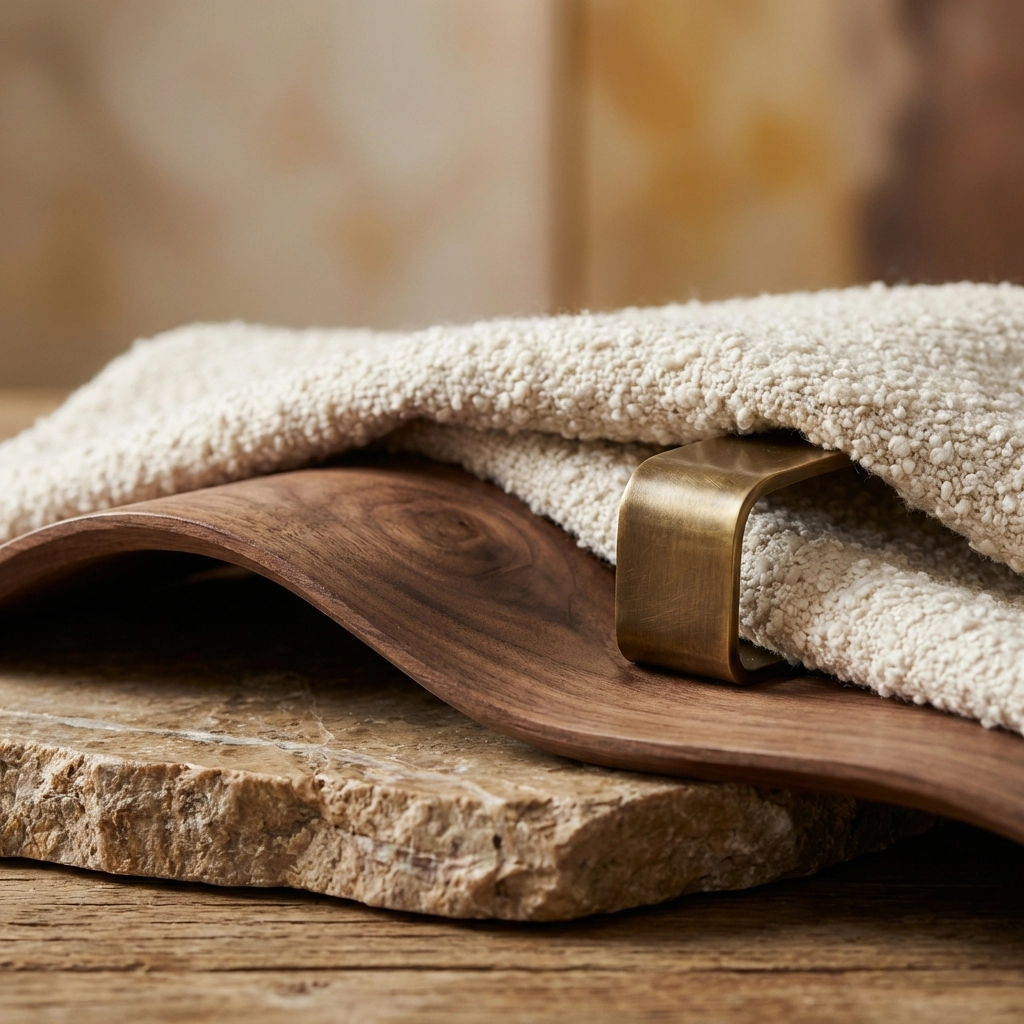
Understanding organic modernism means recognizing its essential components. Natural materials are the foundation: think warm woods, natural stone, raw metals, and organic textiles. These materials aren't just decorative elements; they're integral to creating the style's signature warmth and texture.
The color palette stays grounded in nature. Warm whites, soft creams, rich earth tones, and muted greens create a backdrop that feels both sophisticated and calming. These colors work together to create spaces that feel cohesive without being monotonous.
Furniture in organic modern spaces tends to have clean, simple silhouettes but with subtle curves and natural proportions that feel comfortable and inviting. Sharp edges are softened, angular lines are balanced with organic shapes, and everything is scaled to feel human and approachable.
Bringing Organic Modernism Into Your Home
The beauty of organic modernism is that it's adaptable to any space, whether you're working with a sprawling estate or a cozy urban apartment. Start with your larger furniture pieces: choose sofas and chairs with clean lines but comfortable proportions. Look for pieces crafted from natural materials or finished in warm, neutral tones.
Layering is crucial to achieving the organic modern look. Add warmth through natural fiber rugs, linen throw pillows, and wooden accent pieces. These elements create the textural variety that keeps the space from feeling flat or one-dimensional.
Don't forget about lighting. Organic modernism embraces both natural and artificial light sources. During the day, maximize natural light with minimal window treatments. In the evening, warm ambient lighting from carefully chosen fixtures creates the perfect atmosphere.
Plants are your secret weapon in organic modern design. They bring life, color, and that essential connection to nature that defines the style. Choose plants with interesting architectural qualities: large leafy specimens, sculptural succulents, or trailing varieties that add movement and softness to the space.
Commercial Applications: Beyond the Home
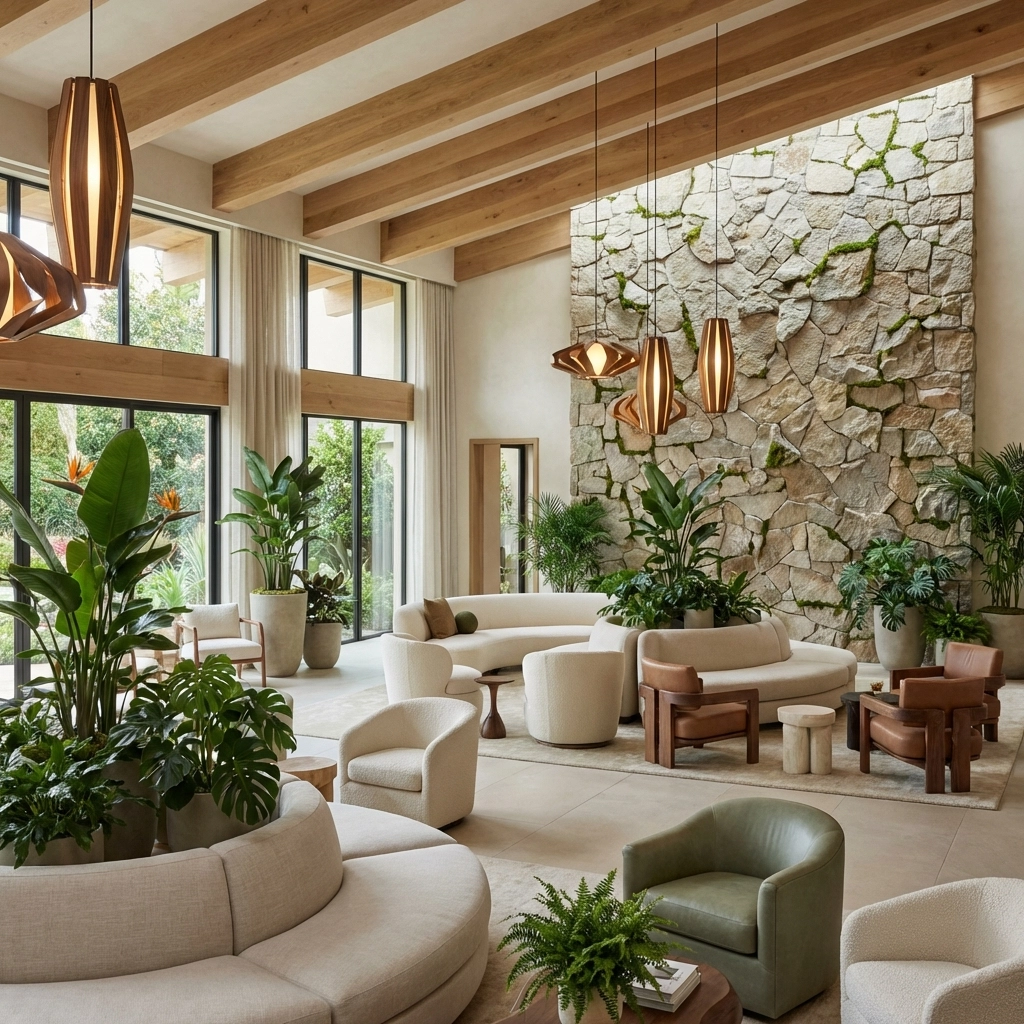
Organic modernism isn't limited to residential spaces. Hotels, restaurants, and office environments are increasingly embracing this approach because it creates experiences that feel both professional and welcoming.
In hospitality design, organic modernism helps create spaces that feel like elevated versions of home rather than impersonal commercial environments. Guests connect with spaces that feel authentic and warm, leading to stronger brand loyalty and positive experiences.
Office environments benefit from organic modern principles because they promote well-being and productivity. The style's emphasis on natural light, comfortable proportions, and calming materials creates workspaces where people actually want to spend time.
Making It Personal: Your Unique Expression
The most compelling aspect of organic modernism is how it encourages personal expression within a sophisticated framework. This isn't about following a rigid set of rules: it's about creating spaces that reflect your personality while embracing timeless design principles.
Maybe you're drawn to the warmth of reclaimed wood furniture, or perhaps you prefer the sleek elegance of natural stone surfaces. The style is flexible enough to accommodate different preferences while maintaining its essential character.
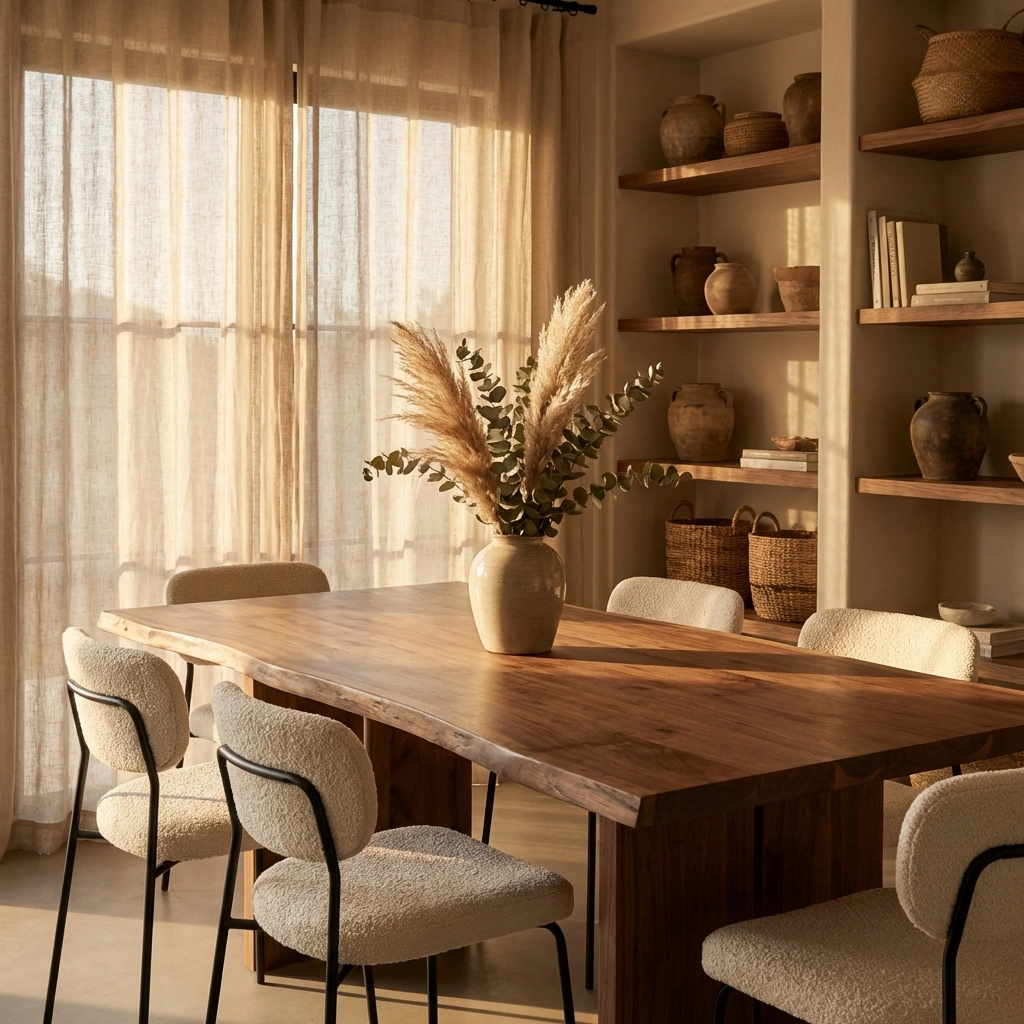
Don't be afraid to mix different natural materials and textures. A leather sofa might pair beautifully with a live-edge wood coffee table and a jute area rug. The key is choosing pieces that feel cohesive in their commitment to natural materials and honest craftsmanship.
The Investment Perspective
When you choose organic modern pieces for your space, you're making an investment in both style and substance. Quality natural materials age beautifully, developing character and patina over time rather than simply wearing out. This means your furniture and decor become more beautiful and valuable as they age, not less.
The timeless appeal of organic modernism also means you won't need to completely redecorate every few years to stay current. This style has staying power because it's rooted in fundamental principles of good design rather than fleeting trends.
Creating Your Organic Modern Haven
If you're ready to explore organic modernism in your own space, start by identifying the elements that speak to you most strongly. Are you drawn to the warmth of natural wood, the sophistication of natural stone, or the comfort of organic textiles?
Consider working with design professionals who understand how to balance the various elements of organic modernism. The style's apparent simplicity can be deceptively complex to execute well: every piece needs to work harmoniously with the others to create the desired effect.
At Nahla Madison Home, we specialize in curating furniture and decor that embodies the organic modern aesthetic. Our team understands how to blend sophistication with warmth, creating spaces that feel both elevated and genuinely livable.
Whether you're furnishing a residential project or a commercial space, organic modernism offers a path to creating environments that people genuinely want to inhabit. It's design that honors both our need for beauty and our fundamental connection to the natural world: and that's something worth talking about.
The organic modern movement represents more than just a design trend; it's a philosophy that recognizes the importance of creating spaces that nurture our well-being while satisfying our aesthetic sensibilities. As we continue to seek balance in our increasingly complex world, organic modernism offers a thoughtful, sustainable approach to creating the environments where we live, work, and gather.

