


Your home tells a story, and every design choice you make writes another chapter. Whether you're drawn to the ornate elegance of traditional European manor houses or the clean simplicity of Scandinavian minimalism, understanding design styles and their origins helps you create spaces that truly reflect who you are.
Let's explore the fascinating world of interior design styles: from their historical roots to their signature elements: so you can confidently curate your perfect sanctuary.
Traditional Design: Timeless European Elegance
Traditional design draws its inspiration from 18th and 19th-century European aesthetics, particularly English and French manor houses. This style emerged from aristocratic homes where craftsmanship, quality materials, and attention to detail were paramount.
You'll recognize traditional interiors by their emphasis on symmetry, rich colors, and ornate details. Think deep burgundy walls, mahogany furniture with intricate carvings, and layers upon layers of luxurious fabrics. Crown molding, wainscoting, and decorative architectural elements create visual interest and sophisticated depth.
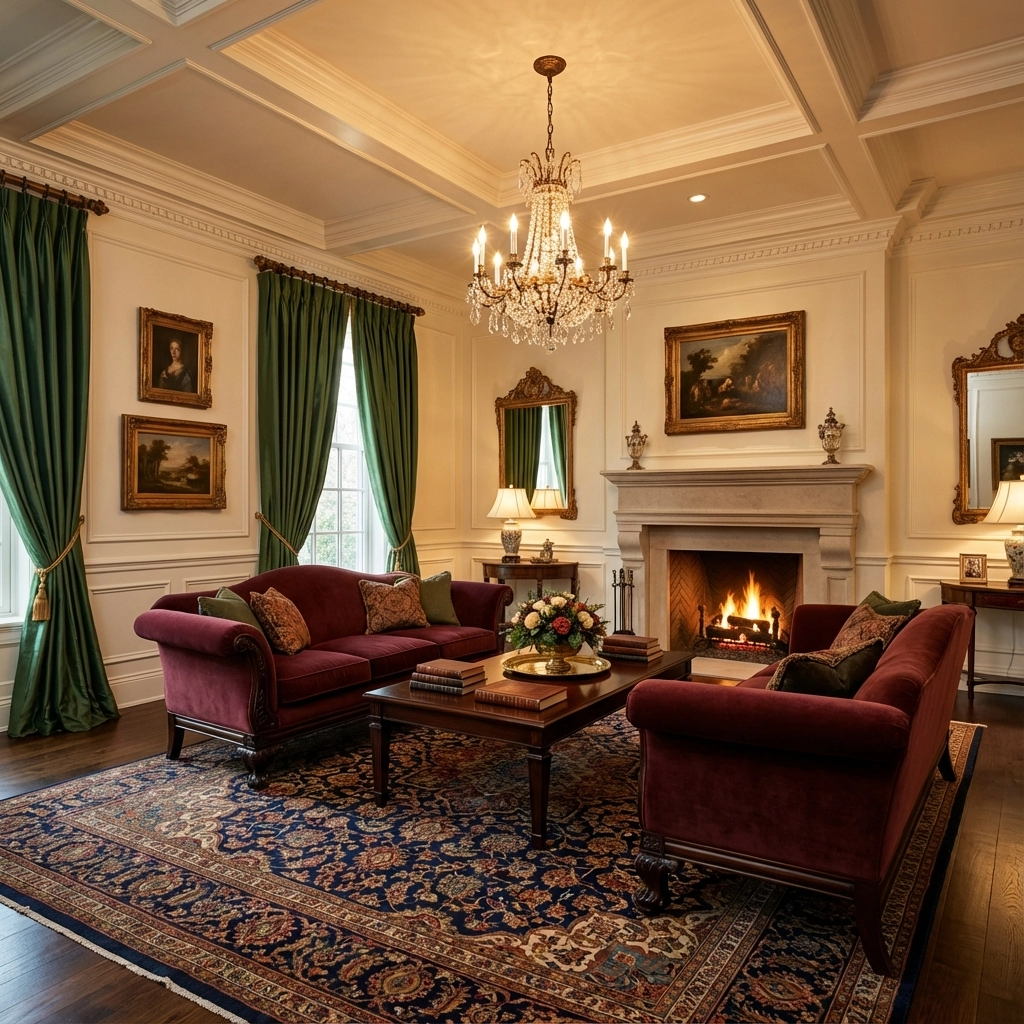
Signature elements include:
- Curved furniture lines with plush, tufted upholstery
- Rich color palettes featuring navy, forest green, burgundy, and cream
- Pattern mixing with florals, damask, paisley, and plaids
- Natural materials like leather, silk, velvet, and solid wood
- Formal room layouts with designated purposes
Traditional design celebrates craftsmanship and heritage. If you love hosting dinner parties, collecting antiques, or creating cozy reading nooks, this timeless style might be your perfect match.
Modern Design: Clean Lines and Revolutionary Thinking
Modern design emerged in the early to mid-20th century as a revolutionary response to ornate Victorian excess. Born from the Bauhaus movement in Germany and influenced by architects like Frank Lloyd Wright and Mies van der Rohe, modern design champions the philosophy that "form follows function."
This style broke convention by eliminating unnecessary decoration and embracing industrial materials. Steel, glass, and concrete became design elements rather than hidden structural components. The result? Spaces that feel open, uncluttered, and purposefully minimal.
Key characteristics include:
- Clean, geometric lines with minimal ornamentation
- Neutral color schemes with strategic pops of bold color
- Open floor plans that maximize natural light
- Furniture that serves multiple purposes
- Industrial materials like metal, glass, and exposed concrete
- Large, unadorned windows
Modern design isn't cold: it's intentional. Every piece serves a purpose, creating harmony through simplicity rather than abundance.
Scandinavian Design: Nordic Simplicity Meets Cozy Living
Scandinavian design originated in the 1950s across Denmark, Sweden, and Norway, shaped by long, dark winters and a cultural emphasis on community and comfort. This style brilliantly balances minimalism with warmth, creating the Danish concept of "hygge": that cozy, content feeling of well-being.
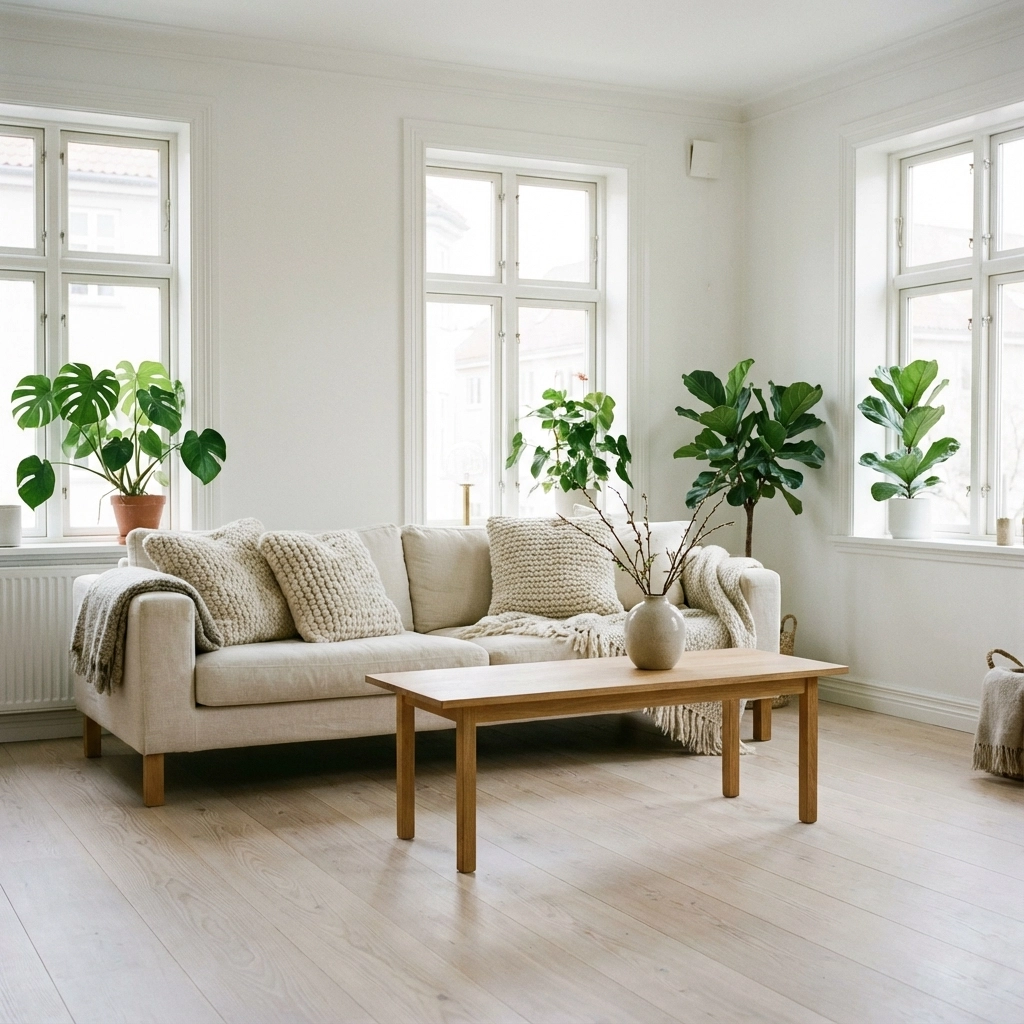
Nordic designers mastered the art of making small spaces feel larger and brighter through strategic use of light colors, natural materials, and functional furniture. The style gained international recognition through brands like IKEA, but authentic Scandinavian design goes far deeper than affordable furniture.
Essential elements include:
- Light wood tones, particularly pine, ash, and beech
- White and cream color palettes with subtle accent colors
- Natural textures through wool, linen, and sheepskin
- Functional furniture with clean, simple lines
- Emphasis on natural light and artificial lighting design
- Minimal decor with focus on quality over quantity
Scandinavian design proves that simplicity doesn't mean sacrifice. You can create sophisticated, livable spaces that feel both serene and inviting.
Coastal Design: Seaside Serenity Brought Indoors
Coastal design captures the relaxed elegance of seaside living, whether you're steps from the ocean or miles inland. This style evolved from actual beach houses where salt air, sand, and sun naturally influenced material choices and color palettes.
You'll find coastal design emphasizes comfort over formality, natural textures over synthetic materials, and breezy layouts over rigid room divisions. The goal is creating spaces that feel like permanent vacation retreats.
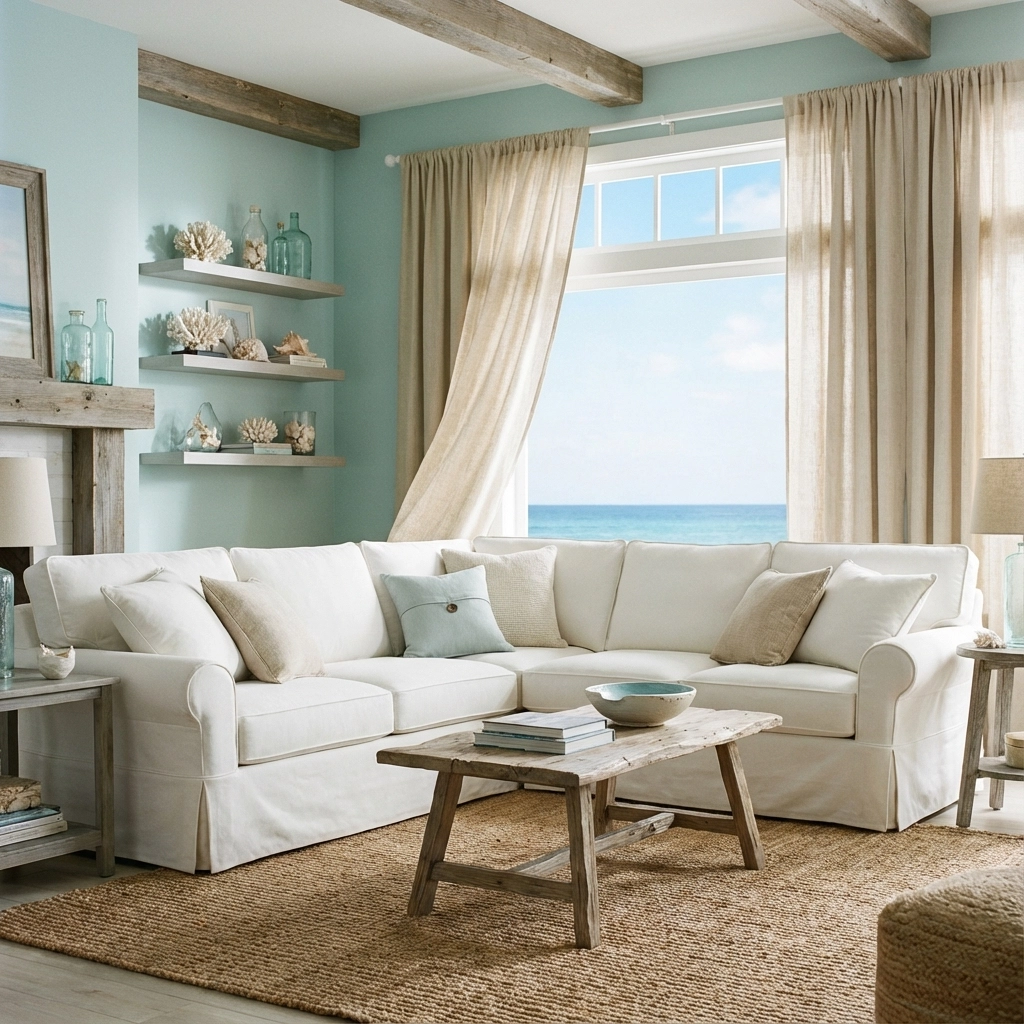
Defining features include:
- Light, airy color schemes featuring whites, blues, and sandy neutrals
- Natural materials like driftwood, rattan, jute, and linen
- Nautical-inspired accessories without heavy-handed theming
- Comfortable, casual furniture arrangements
- Emphasis on natural light and ocean-inspired artwork
- Weathered finishes that embrace imperfection
Coastal design works beautifully in any climate because it's really about capturing a feeling: that sense of relaxation and connection to nature that makes you breathe easier.
Industrial Design: Urban Loft Aesthetic
Industrial design emerged from converted warehouses and factories in urban areas during the late 20th century. When artists and creatives began transforming abandoned industrial spaces into live-work studios, they embraced rather than concealed the buildings' original features.
This style celebrates raw, unfinished elements and honest materials. Exposed brick walls, concrete floors, and visible ductwork become design features rather than flaws to hide.
Characteristic elements include:
- Exposed structural elements like beams, pipes, and ductwork
- Raw materials including concrete, steel, and reclaimed wood
- Neutral color palettes with black, gray, and brown dominance
- Vintage or reproduction industrial furniture
- Edison bulb lighting and metal fixtures
- Large windows and open floor plans
Industrial design appeals to those who appreciate authenticity and aren't afraid of a little edge in their interiors.
Mid-Century Modern: Post-War Optimism in Design
Mid-century modern flourished from the 1940s through the 1960s, reflecting post-World War II optimism and technological advancement. Designers like Charles and Ray Eames, George Nelson, and Florence Knoll created furniture that was both beautiful and accessible to middle-class families.
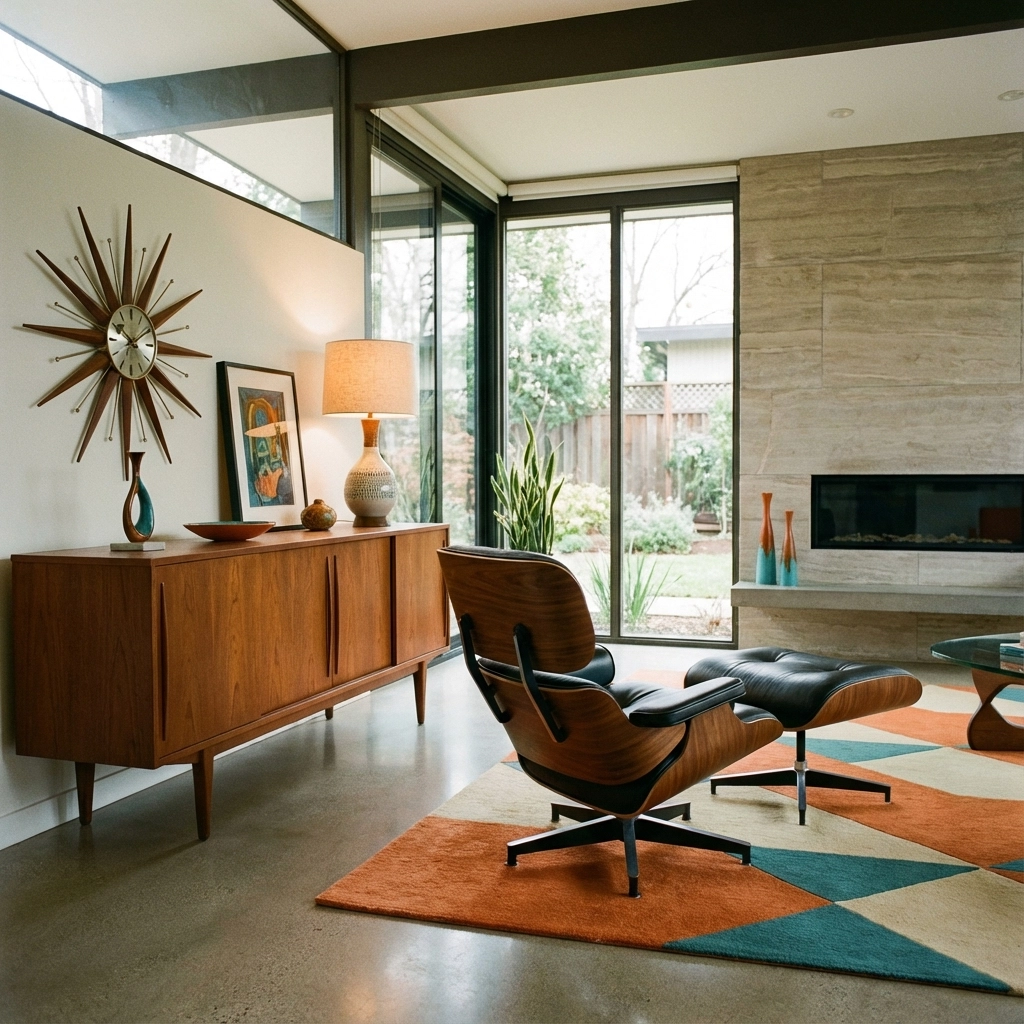
This style embraces both indoor-outdoor living and space-age materials, creating interiors that feel simultaneously retro and futuristic.
Signature characteristics include:
- Sleek, low-profile furniture with tapered legs
- Bold geometric patterns and atomic-inspired motifs
- Rich wood tones paired with bright accent colors
- Integration of indoor and outdoor spaces
- Statement lighting fixtures
- Mix of natural and synthetic materials
Mid-century modern continues to influence contemporary design because it successfully balanced innovation with livability.
Choosing the Right Style for Your Space
Don't feel pressured to commit to just one style. Many of today's most beautiful interiors blend elements from multiple design traditions, creating personal and unique spaces that evolve with your lifestyle.
Consider these factors when exploring design styles:
Your lifestyle needs: Do you entertain frequently? Have children or pets? Work from home? Your design choices should support how you actually live.
Your space's architecture: Work with your home's bones rather than against them. A Victorian house might embrace traditional elements, while a modern condo could celebrate clean lines.
Your personal preferences: Trust your instincts about colors, textures, and arrangements that make you feel comfortable and inspired.
Your long-term vision: Choose foundational pieces in classic styles, then layer in trendier elements through accessories and textiles you can easily update.
Making Design Styles Work for You
Remember that design rules are meant to guide, not restrict your creativity. The most successful interiors reflect their inhabitants' personalities while creating functional, beautiful spaces for daily life.
Whether you're drawn to the ornate richness of traditional design, the clean simplicity of Scandinavian style, or the relaxed comfort of coastal living, the key is understanding what each style offers and adapting those elements to your unique vision.
At Nahla Madison Home, we believe your space should tell your story. Our interior design services can help you navigate these style choices and create a home that's authentically yours.
Your perfect design style isn't about following trends: it's about creating spaces where you can live your best life, surrounded by beauty that speaks to your soul.

